Rome top Patio Builder creating durable patios for homes and outdoor entertaining
Rome top Patio Builder creating durable patios for homes and outdoor entertaining
Blog Article
Why Choose a Professional Patio Contractor for Your Perfect Outdoor Environment?
Choosing a skilled patio contractor can substantially shape the final result of an outdoor area. Their proficiency ensures that planning, execution, and compliance requirements are all expertly addressed. These specialists not only oversee challenging assignments but also pick resilient materials appropriate to the climate. As the planning progresses, homeowners often ponder how these selections will elevate their exterior entertainment experience and property's total market value. The results may impress them as they review their choices.
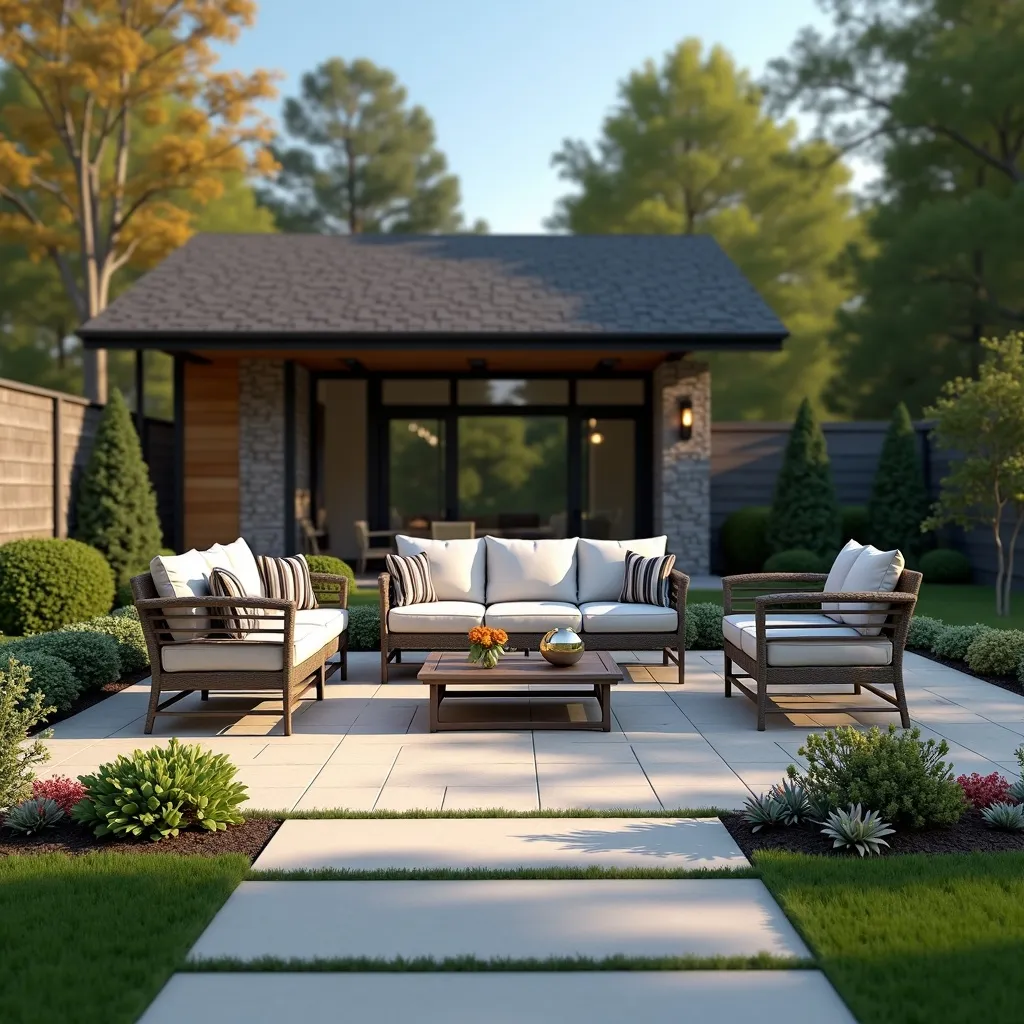
The Capability of Professional Patio Builders
Expert patio contractors offer substantial knowledge that turns outdoor spaces into useful and beautiful areas. Their broad experience and training permit them to analyze site conditions, recommend appropriate materials, and design solutions that complement existing landscapes.
Having awareness of local building codes and regulations, they guarantee adherence and security in every project.
In addition, skilled builders are outfitted with the appropriate tools and techniques to implement complex layouts effectively. They comprehend the subtleties of drainage, soil stability, and weather considerations, which are crucial for the long-term performance of a patio.
Their careful consideration to detail and skilled workmanship yields a finished product that enhances property value and usability. By consulting with clients, these professionals can adjust solutions that accommodate specific needs and preferences, ultimately delivering a customized outdoor experience.
Choosing a skilled outdoor construction expert guarantees a seamless process from concept to final delivery, backed by quality workmanship and reliable support.
How to Pinpoint Your Coveted Patio Appearance
How might one effectively define your dream patio style? First, individuals should consider their lifestyle and the way they intend to use the space. A child-friendly design may include play areas for children to play, while a gathering space might prioritize seating and entertainment features.
Then, inspecting the existing landscape is necessary; the patio should coordinate with the home and local surroundings.
Materials serve an essential purpose in design, and choosing options that match personal taste and durability is critical. One should also reflect on aesthetics, exploring colors, textures, and patterns that will create a cohesive look.
Ultimately, it's prudent to gather inspiration from multiple sources, such as home improvement websites or social media platforms. By compiling images and ideas, individuals can develop a vision board that clearly communicates their intended result, facilitating a more efficient collaboration with a professional patio builder.
What You Require to Know About Local Laws?
Navigating through local ordinances is important when planning a patio development. Homeowners must understand zoning laws, which determine where structures can be built on their premises. These regulations differ notably by location and can affect the scale, height, and placement of a patio.
Building permits might be needed, and the application process can involve submitting detailed plans for approval.
Furthermore, homeowners should be aware of setback regulations, which establish the distance a patio must be from property lines or existing structures. Local building codes also govern safety requirements, ensuring the patio is constructed to resist environmental factors.
Failure to comply with these requirements can cause fines or the obligation to dismantle the patio. Engaging a professional patio builder can expedite this process, as they are well-versed in area laws and can assure that the project complies with all mandatory guidelines.
Picking Long-lasting and Striking Materials
When choosing options for a patio, longevity and aesthetic appeal are essential factors.
Homeowners should consider not only the durability and upkeep needs of different options but also how these materials contribute to the overall design.
Additionally, budget-friendly choices can improve both functionality and aesthetic value while staying within financial limits.
Material Durability and Maintenance
Determining the suitable materials for a patio improves its aesthetic appeal and impacts both its lifespan and ease of maintenance. resilient options, including natural stone, concrete, or superior pavers, withstand various weather conditions, minimizing the need for frequent repairs.
In addition, picking stain-resistant stains, mold, and fading can markedly decrease regular upkeep requirements. For example, sealed concrete can supply a long-lasting finish with minimal upkeep, while certain synthetic alternatives can mimic wooden look without the danger of rotting.
In the long run, investing money in resilient materials can result in considerable cost reductions over time, as they support a patio that remains functional and appealing for years to come, minimizing the need for replacements or comprehensive maintenance.
Aesthetic Character and Composition
What ways can a patio's layout coordinate with its surroundings while maintaining durability? Selecting the right materials is crucial for attaining both visual beauty and structural soundness.
Expert patio builders often recommend stone materials like granite or slate, which not just complement various outdoor settings but also resist severe climate exposure. Additionally, composite materials provide an attractive, low-maintenance option that mimics the look of wood without the vulnerability to decay.
Color palettes and surfaces should align with the home's architecture and the surrounding environment, similar article creating a harmonious look. Incorporating patterns or unique design elements can elevate the overall appeal, confirming the patio becomes a main feature.
Ultimately, a skillfully designed patio transforms outdoor living while standing the test of time.
Reasonably Priced Material Options
While balancing budget constraints and design preferences, homeowners gain advantages by considering a range of affordable options for their patios.
Options such as stamped concrete and paving stones offer strength and visual appeal without excessive spending. Concrete stamping can replicate natural stone or tile, delivering a stylish look at a reduced price.
Pavers, available in diverse colors and shapes, enable inventive designs and effortless repairs. Furthermore, composite decking delivers an easy-care substitute to standard wood, preventing rot and fading over time.
Saving Time and Decreasing Stress With Expert Help
Engaging a professional patio builder can greatly streamline the construction process, easing the burdens typically associated with home improvement projects. By utilizing their knowledge, homeowners can avoid the common pitfalls of DIY endeavors, such as miscalculations or delays.
Professional builders possess the required expertise, equipment, and understanding needed to execute the project efficiently, ensuring timely completion.
In addition, these experts administer all logistical elements, including permits, inspections, and scheduling, which can be burdensome for an untrained individual. This handling markedly lowers stress, enabling homeowners to concentrate on other responsibilities.
Additionally, with a seasoned professional leading the way, potential conflicts with subcontractors or suppliers are diminished, further strengthening the experience.
Ultimately, engaging a professional patio contractor not only saves time but also provides peace of mind, converting the patio vision into reality without the related difficulty of do-it-yourself projects.
Increase Your Home's Value With a Bespoke Patio
A personalized patio not only improves the outdoor appearance but also enhances the overall worth of a home. Potential buyers frequently seek properties featuring usable outdoor areas, with a expertly crafted patio being a major asset. By including quality materials alongside unique design elements, homeowners can build an appealing atmosphere that draws a broad spectrum of buyers.
In addition, a custom patio can expand the functional living area, making it excellent for entertaining people or enjoying quiet nights outdoors. This supplementary space effectively raises the residence's total square footage, which can be a significant consideration in real estate valuations.
Hiring a qualified patio contractor guarantees that the project satisfies high standards of craftsmanship and durability, greatly boosting the patio's appeal.
In essence, a deliberately designed patio not only enriches everyday life but also represents a smart investment choice that can return significant monetary returns when the home is sold.
Approaches to Maintain Your New Patio
Upkeeping a new patio is important for preserving its appearance and lasting quality.
Developing a regular cleaning schedule and introducing seasonal maintenance guidelines can help verify it remains in ideal condition.
Maintain a Standard Cleaning Timetable
Creating a consistent cleaning plan is vital for preserving the durability and appearance of a new patio. Consistent care helps remove leaves, dirt, and organic matter that can gather progressively, potentially leading to stains or damage.
Regular weekly inspections permit homeowners to handle minor issues before they become severe. This involves clearing away debris and rinsing the area to prevent grime buildup.
For more intensive care, a heavy-duty scrubbing every few months is advised, using fitting cleaning agents suited to the patio material.
Furthermore, applying sealants at regular intervals can protect from weathering and stains. By adhering to a consistent cleaning routine, homeowners can ensure their outdoor space remains inviting and functional for years to come.
Seasonal Servicing Guidelines
Patios offer a stunning outdoor space, but periodic upkeep is indispensable for ensuring their longevity and aesthetics. Homeowners should initiate by inspecting the patio for cracks or deterioration, attending to issues quickly to prevent further deterioration.
Spring calls for a thorough cleaning, involving power washing, to clear away dirt and debris, and sealing surfaces defends against moisture. In summer, regular sweeping and spot cleaning maintain an pleasant area.
When autumn arrives, clearing fallen leaves is essential to prevent mold and mildew buildup. Winter maintenance entails removing snow and ice to prevent damage from freeze-thaw processes.
Often Asked Questions
How Long Does It Generally Take to Build a Patio?
Typically, building a patio takes anywhere from a few days to a couple of weeks, based on elements like dimensions, supplies, and ground conditions. Climate and design complexity can also influence the timeline considerably.
What Guarantees Do Expert Contractors Offer on Their Work?
Professional builders typically furnish protection plans ranging from one to five years, safeguarding workmanship and materials. These protection plans present homeowners with confidence, ensuring that any issues caused by the construction will be addressed promptly.
Can I Customize My Patio Design During Building?
Yes, a homeowner can customize their patio design during construction. Professional builders typically collaborate closely with clients, allowing modifications to layouts, materials, and features to ensure the final product meets the homeowner's goals and requirements.
What could I take action on if I had a modest funds?
To handle a tight budget, one should prioritize essential features, investigate affordable materials, and consider phased construction. Consulting with a professional can also offer guidance on maximizing value while staying within financial constraints.
Should you consider seasonal aspects when constructing a patio?
When scheduling patio work, consider seasonal elements like weather conditions, material supply, and temperature fluctuations. Spring and early fall offer the best timing for setup, whereas summer heat and winter frost may obstruct progress and compromise material integrity.
Report this page